
Uncategorized
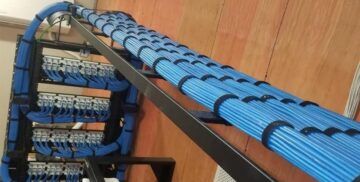
Mitigating Thermal Buildup in High-Density Cable Trays: Derating Calculations and Spacing Strategies
On October 11, 2026 by lukasThe Physics of Heat Accumulation in Modern Structured Cabling IEEE 802.3bt Type 4 Power over Ethernet has changed the thermal design problem in enterprise structured cabling. A Type 4 power-sourcing equipment port can provide up to 90 W at the source, with the powered device receiving less after cable losses. The practical implication is that
Uncategorized
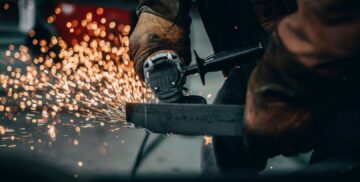
Controlling Hand-Arm Vibration: Dampening Strategies and Exposure Limits for Power Tools
On September 22, 2026 by lukasThe Mechanics of Hand-Arm Vibration and Workforce Risk Hand-arm vibration becomes a workplace hazard when mechanical energy from a tool reaches the operator”s hands and arms at sufficient magnitude, duration, and frequency. The transmission path includes the tool structure, handle, gloves, skin, soft tissue, bones, joints, muscles, and vascular and neural systems. Grip force and

Uncategorized
How to Prevent Galvanic Corrosion Between Dissimilar Metals in Outdoor Enclosures
On September 13, 2026 by lukasManaging Dissimilar Metal Interactions in Harsh Outdoor Environments Outdoor enclosures rarely provide the luxury of using one metal throughout the complete assembly. An aluminum cabinet may need stainless steel fasteners, plated brackets, copper grounding hardware, or galvanized support steel. Each material may be appropriate for its individual function, yet the joint can become a corrosion
Uncategorized
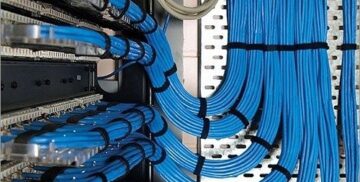
The Cost of a Tight Turn: Why Exceeding Minimum Bend Radius Degrades Network Performance
On September 6, 2026 by lukasThe Deceptive Nature of Cable Pathway Strain A cable pathway can look orderly, gently curved, and fully intact while transmission performance is already deteriorating inside the jacket. During installation, a cable may be pulled around a rack edge, compressed beneath a bundle, or forced through a crowded conduit entrance. None of these events necessarily leaves